Students use makeshift stretcher to rescue hiker in Warrumbungle National Park
A group of students from Presbyterian Ladies’ College Armidale have demonstrated the power of human skills in action, assisting an injured hiker in Warrumbungle National Park.
As reported by ABC News Australia, the students were undertaking a multi-day hike when they came across a man who had sustained a serious leg injury on the track, requiring immediate assistance.
What followed was not just a moment of quick thinking, but a clear example of the kinds of capabilities young people develop through use of the Duke of Ed Framework.
Human skills in action
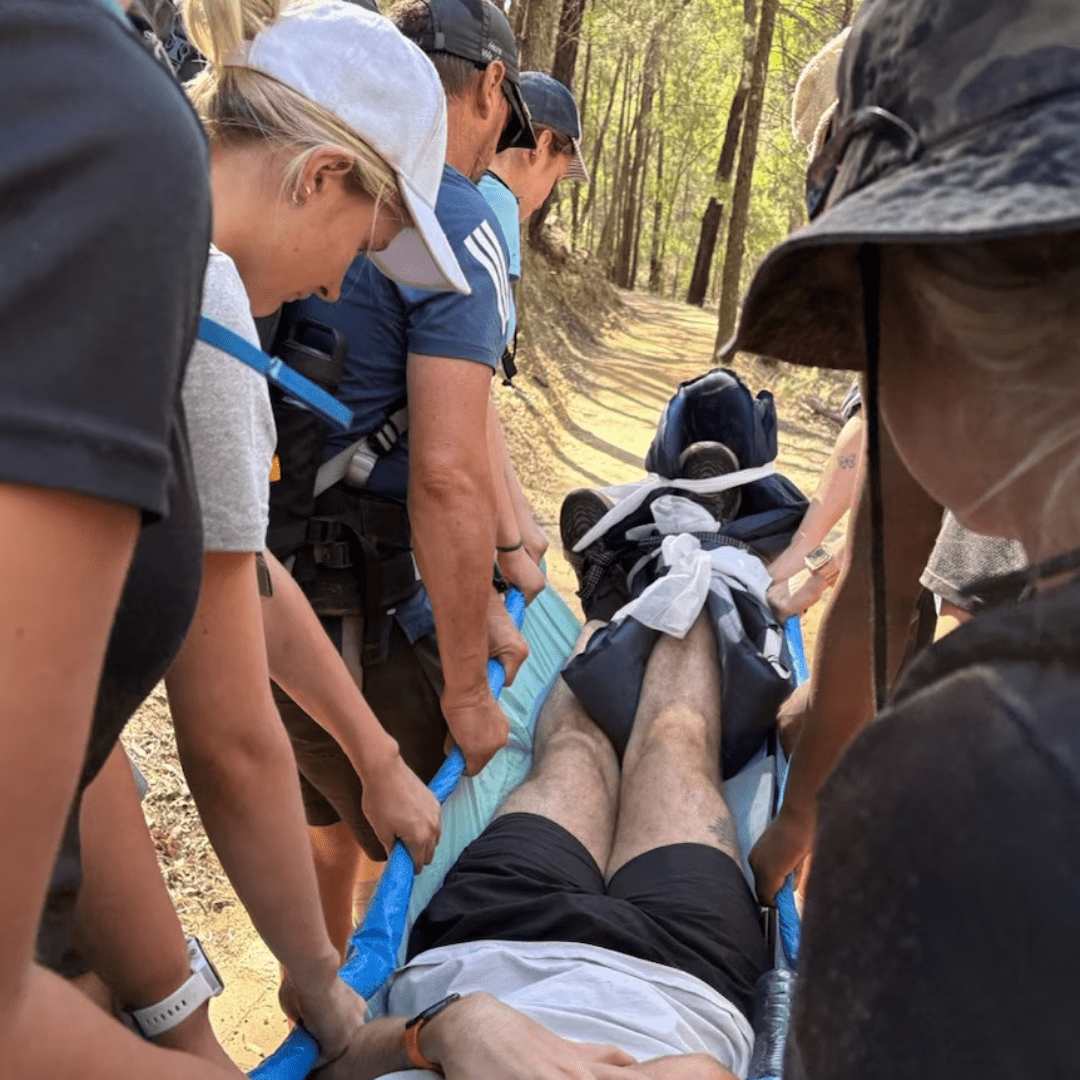
Faced with a real-world emergency, the group remained calm under pressure, worked collaboratively and focused on finding a practical solution. Drawing on critical skills developed through the Duke of Ed, the students constructed a makeshift stretcher using available equipment before beginning the physically demanding task of carrying the injured hiker to safety.
Over the course of approximately two hours, they rotated roles, managed fatigue and navigated challenging terrain to reach a point where emergency services could access the patient.
The injured hiker later expressed his gratitude, describing himself as “forever grateful” for the students and their teachers.
More than an Adventurous Journey
While the rescue took place during an Adventurous Journey, it reflects a broader set of skills developed over a period of time. The Duke of Ed Framework supports young people to build human skills through consistent participation in Physical Recreation, Skills and Voluntary Service, alongside outdoor experiences.
These include:
- Teamwork and communication
- Problem-solving in unfamiliar situations
- Resilience and perseverance
- Leadership and initiative
- A strong sense of community and responsibility
As explained by their Leaders, the students had previously practised a similar rescue scenario as part of their training, enabling them to respond with confidence and clarity when it mattered most.
Real-world readiness
This incident highlights the growing importance of human skills in education and beyond. While academic achievement remains important, experiences like these demonstrate how young people benefit from opportunities to apply their learning in real-world contexts.
From assessing risk to supporting others and working as a team under pressure, the students’ response reflects capabilities that extend far beyond the classroom.
A practical example of impact
What began as a planned expedition became a real-world test of judgement, teamwork and resilience. It also serves as a powerful reminder of the role structured non-formal education opportunities can play in preparing young people for life beyond school.
In situations where it matters most, it is often human skills that make the difference.
Read full ABC News Story.